



Custom Wine Cellar Builders in Murfreesboro: Climate Control & Layout Guide
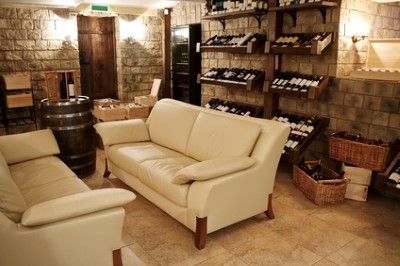
If you are planning custom wine cellars in Murfreesboro, TN, the key to protecting every bottle is a room that holds a steady temperature and humidity. Below, MasterWorks Custom Cabinets explains the climate, materials, and layouts that work best in Middle Tennessee basements and bonus rooms. For a deeper look at options and finishes, browse our custom wine cellars page, or learn more about custom cabinets in Murfreesboro, TN from our home base before you begin design.
Why Climate Control Matters In Murfreesboro, TN
Murfreesboro summers are hot and humid. Winters swing cool and dry. Those shifts try to push heat and moisture into your wine room. A stable target near 55°F with balanced humidity keeps corks elastic and labels clean.
In July and August, basements near Stones River can feel damp after storms. Bonus rooms around the Avenue or the Medical Center area may pick up attic heat on sunny afternoons. Consistency beats perfection. Your cellar should hold steady conditions day and night, season after season.
Build The Right Envelope: Vapor Barrier, Insulation, And Sealing
A wine cellar performs like a refrigerator room. The shell must be tight so the cooling unit can work without overdrive. In Middle Tennessee, that means managing warm, moist air before it reaches your racking.
- Install a continuous vapor barrier on the warm side of the walls and ceiling. Tape and seal every seam, corner, outlet, and light penetration.
- Use high R‑value insulation sized to the cavity. Closed‑cell spray foam or rigid foam helps block moisture movement in basements and above‑garage rooms.
- Choose an exterior‑grade door with tight weatherstripping and a proper sweep. Consider insulated glass if you want a viewing panel.
Gaps are the enemy. Even tiny leaks force the system to run longer, swing humidity, and raise the chance of condensation in walls. A tight envelope is the single biggest factor in long‑term performance.
Humidity Regulation: Equipment And Best Practices
Most dedicated cellar systems manage temperature first and humidity as a byproduct. In our climate, a well‑sealed room naturally settles in a safe range when the unit is sized and placed correctly. For a plain‑English breakdown of ducted, split, and through‑the‑wall options, see our guide on wine cellar cooling.
Reliable cellars in Rutherford County typically include:
- A properly sized cooling unit based on cubic feet, glass area, and location within the home
- Balanced supply and return placement to avoid short cycling and dead zones
- Condensate management with a pitched drain and corrosion‑resistant fittings
- Door seals and thresholds that stay tight through seasonal changes
- Remote sensors to monitor temperature and humidity away from supply air
Do not oversize the system. Short cycling can dry the room, stress parts, and still miss your setpoint. Right‑sizing plus a tight envelope keeps bottles safe and the room quiet.
Wood Species For Tennessee Cellars: Redwood Vs Sapele
Wood choice affects durability and movement as seasons change. Two standouts for Murfreesboro homes are Redwood and Sapele Mahogany.
Redwood is naturally rot resistant, which helps in humid shoulder seasons. It handles minor moisture swings with less risk of surface issues. Unstained or lightly finished redwood shows warm color variation that pairs well with stone and glass.
Sapele Mahogany offers excellent dimensional stability and a refined, even grain. It finishes beautifully in both clear and darker tones, which suits contemporary glass‑front rooms near the Avenue or traditional basements near the Medical Center. Many homeowners choose Sapele for display rows and Redwood for high‑capacity grids. Both respond well to professional finishing that seals end grain and edges.
Softer species can dent more easily under daily use. Denser hardwoods like Sapele resist wear in tasting zones and around pullouts where bottles move most.
Smart Layouts For Murfreesboro Homes Near The Avenue And Medical Center
Space is precious, especially in basements with low beams or bonus rooms tucked under rooflines. We often design under‑stair cellars, narrow galleries off the kitchen, or compact rooms carved from storage nooks. The goal is the most bottles per square foot without making the room feel cramped.
Thoughtful details help you win back space:
- Use high‑density 750 ml grids along long walls. Add a slim display row at eye level for labels without losing count.
- Place magnum or Champagne storage at the ends to keep the center walkway clear.
- Integrate shallow-depth shelves for decanters and glassware instead of freestanding furniture.
- Choose a right‑swing or left‑swing door that clears racking and stops short of steps or hallways.
When you want the racks to match adjacent millwork, we coordinate finishes with your home's cabinetry. Explore our custom cabinets to see styles that tie your cellar to nearby kitchens or bars.
Bottle Capacity Without Sacrificing Square Footage
Capacity grows from smart zoning, not just deeper racks. Double‑deep sections in corners, label‑forward displays for special bottles, and a tight grid for everyday reds can add hundreds of bottles without enlarging the room. Glass walls look great but add heat gain, so we plan for that during equipment sizing and envelope design.
Consider accessibility too. Taller homeowners may prefer a slightly higher display row. Families with young kids often like locking doors and racking that keeps bottles off the floor. Little choices make the cellar easier to live with every day.
Local insight: After a week of summer storms, basements around Murfreesboro can see humidity spikes. A tight envelope with monitored sensors helps catch changes early and protects labels, corks, and finishes.
Lighting, Doors, And Glass In A Humid Climate
Use low‑heat LED lighting with dimmable drivers and sealed housings. Warm color temperatures flatter wood tones like Redwood and Sapele. If you want a glass door or wall, insulated panels with quality gaskets reduce heat gain and help the room stay quiet and steady. Hardware should be corrosion-resistant and easy to service.
If a tasting counter is part of the plan, we can blend species or add accent shelving that matches your main cabinetry. That way the cellar feels like it has always belonged in the home.
From Concept To Cellar: Your Next Step
Design, envelope, and equipment must work together. That is where our team shines. At MasterWorks Custom Cabinets, we size cooling around your room's shell, select woods that fit your style, and plan the layout to hit your capacity goals. For inspiration and process details, visit our page on custom wine cellars while you sketch your wish list.
When you are ready to talk through climate and layout for your Murfreesboro home, call 615-429-4996. You can also scan designs for cooling setups in our wine cellar cooling guide and see how finishes coordinate with adjacent rooms by browsing custom cabinets. If you want a cellar that fits your space and protects every bottle, reach out to MasterWorks Custom Cabinets today.