



Wine Cellar Cooling 101: Sizing BTUs for Tennessee Climate in Smyrna, TN
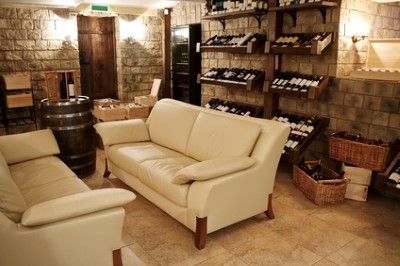
Tennessee summers and damp shoulder seasons make wine rooms work hard. This guide breaks down how to size wine cellar cooling units for reliable performance in Smyrna, TN, so your bottles age the way they should. If you are planning a new build or an upgrade, browse our custom wine cellars for ideas that pair form and function.
For a quick primer, wine cellar cooling in Smyrna, TN means controlling heat load, sealing the room, and choosing equipment that fits your layout. The right BTUs do more than chill. They protect your collection all year.
Why Tennessee Climate Makes BTU Sizing Different
Middle Tennessee brings hot, humid summers, cool winters, and big temperature swings in spring and fall. That outside heat and moisture try to push into your cellar. The cooling system must be sized to manage both heat and humidity while holding a steady setpoint.
Homes around Smyrna, Murfreesboro, Brentwood, and Franklin often place the cellar near living areas or under stairs. That means extra glass, decorative doors, or nearby mechanical rooms can raise the load. A professional heat-load calculation accounts for these real-world details.
How Pros Estimate BTUs for a Wine Cellar
Cooling capacity is measured in BTUs per hour. Bigger is not always better. Oversizing can short-cycle the unit and leave air too dry. Undersizing runs the system nonstop and still misses your target.
Room Size And Construction Matter
- Room volume: length × width × height sets the basic starting point.
- Insulation and vapor barrier: better insulation lowers the load; weak insulation raises it.
- Glass and doors: glass walls, framed doors, and floor-to-ceiling displays add heat gain.
- Location: interior rooms stay steadier; exterior walls and attics add heat.
Seal the room completely with insulation and a continuous vapor barrier so the cooling unit regulates a closed environment instead of fighting the rest of the house. That single choice prevents most performance issues.
What Else Goes Into The Calculation
Pros layer in local climate data, lighting, people count during tastings, and nearby appliances. They also consider duct length or line-set runs. Shorter, straighter runs help units deliver their rated BTUs. This is why two cellars with the same cubic feet can need different equipment.
Temperature And Ideal Humidity For A Wine Cellar
Target a stable temperature near 55 °F for long-term storage. Consistency matters more than chasing a perfect number. Avoid quick swings that make wine expand and contract in the bottle.
The ideal humidity for wine cellar protection sits in a safe middle range. Aim for about 60% relative humidity, with a workable range from roughly the low‑50s to around 70%. Too low dries corks. Too high encourages surface mold and messy labels.
Ducted Vs Split Systems Vs Through‑The‑Wall In Smyrna Homes
There is no one “best” wine cellar cooling unit. The right design depends on location, finish choices, and how quiet you want the room. Below is a plain-English overview to guide your conversation with MasterWorks Custom Cabinetry.
Ducted systems place the equipment away from the cellar and move air through insulated ducts. They keep the room quiet and clean-looking, which is great for showpiece cellars off the kitchen or den. Duct planning and space for returns are musts.
Split systems separate the evaporator and the condenser. A ducted split fits when you need remote placement and more layout flexibility, while a ductless split can mount the fan coil inside the cellar with minimal ductwork. Site conditions steer the choice.
Through‑the‑wall units are compact and simple. They work best in smaller, well‑insulated rooms with an easy place to reject warm air. They are visible in the room and typically a bit louder than a remote setup.
If design is your priority, our team can integrate hidden grilles and racking details so your cooling disappears. See how cabinetry ties in by visiting our custom cabinets page for finish ideas that match your style.
BTU Sizing: A Simple Framework For Tennessee Homes
Use this mental model before you sit down with a designer:
- Start with cubic feet. Larger rooms need more BTUs.
- Add for glass. Full glass walls or big doors raise load quickly.
- Check insulation. Weak or missing insulation increases capacity needs.
- Think about location. Near kitchens, garages, or exterior walls equals more heat to fight.
- Plan the path. Long duct runs or tight line‑set routes reduce effective capacity.
Do not oversize “just in case”. Short cycling can leave the cellar too dry and wear out parts faster. Right‑sizing with a proper heat‑load calculation is the safest path.
Noise, Placement, And Everyday Living
Cellars near living rooms or primary suites demand quiet. Ducted or ducted‑split layouts tuck equipment in a utility space and let you place supply and return grilles where they look best. Through‑the‑wall units are often fine in small tastings rooms or basements where a little fan noise is acceptable.
Plan for service access. Your future self will thank you when filter changes and maintenance are simple. Choose corrosion‑resistant drain components and a positive slope on condensate lines to avoid leaks.
Humidity Control: Keep Corks Happy
Most wine cellar cooling units manage temperature first and humidity as a byproduct. In our climate, a well‑sealed room usually holds humidity within the healthy range. Glass-heavy rooms may benefit from added dehumidification control.
Watch for signs: brittle labels, drying corks, or a musty smell point to off‑track humidity. Fix the envelope before chasing gadgets. When the shell is tight, the equipment can do its job.
Monitoring And Peace Of Mind
Remote sensors and alerts help you catch issues early. Place sensors away from supply air so they read true room conditions. Log temperature and humidity over time to confirm the system is steady through July heat and January cold snaps.
If you already have a cellar, consider a seasonal checkup. A quick inspection of seals, doors, and drains, plus a review of run times, keeps problems from snowballing.
Local Examples And Layout Notes
We see many Middle Tennessee cellars under staircases, behind glass off a great room, or in finished basements. Each layout brings tradeoffs. Glass adds load and shows everything, so tidy grille placement matters. Basements stay cooler but can be humid after heavy rain.
Homes in neighborhoods from Cedar Grove to Rock Springs and across Murfreesboro often share open‑concept main floors. That makes ducted or split systems attractive to keep the space quiet and the focus on the display.
From Concept To Cellar: Work With A Specialist
The fastest way to a trouble‑free cellar is to design the room and the cooling together. Our team sizes BTUs around your envelope, glass, and aesthetics, then builds cabinetry to match. For inspiration and next steps, explore our page on custom wine cellars while you sketch your wish list.
Plan Your Custom Wine Cellar In Smyrna, TN
Ready to protect your collection and enjoy a beautiful, quiet space year‑round? Talk with MasterWorks Custom Cabinetry about the right ducted or split solution for your room, and we will design the cabinetry and finishes to match. Call 615-429-4996 or start your project online from our home page. To see design options and storage layouts, visit our custom wine cellars page and we will follow up to schedule a consultation.